
Bread that keeps a year, and a pig on a spit
A shepherds' cooking, with the fish added a great deal later.
Sardinian cooking belongs to the land, not the sea: for centuries the island lived on sheep and wheat, and the coast was where trouble came from. Fish entered the menus when tourism did, and it remains a thing of the seaside strips; inland people eat as they always ate.
The bread
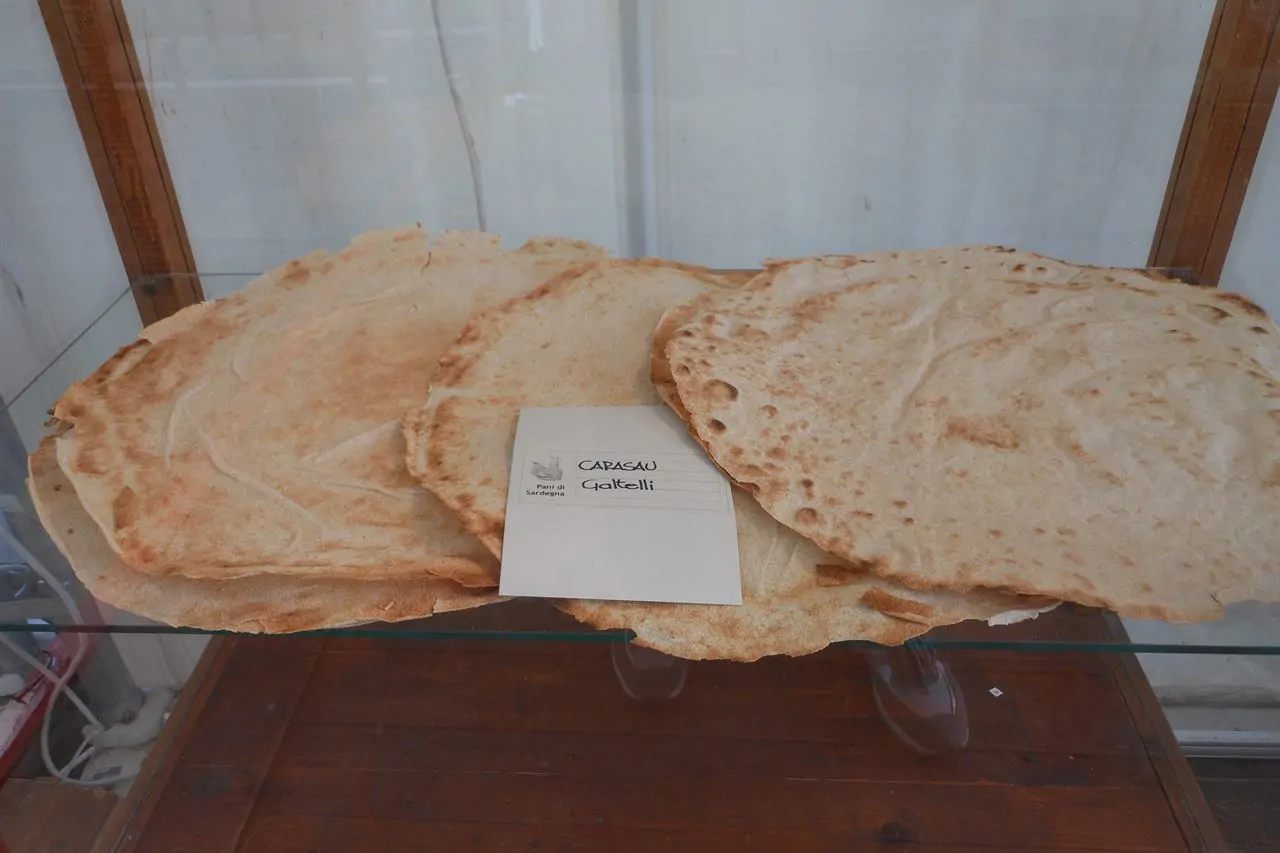
Carasau is a very thin sheet baked twice, invented because the shepherds were away for weeks and the bread had to keep: it lasts months and softens with water. Wetted, dressed with sauce and an egg, it becomes pane frattau. Then there are civraxiu from the Campidano, large and long-risen, and pistoccu from the Ogliastra.
The pasta and the meat
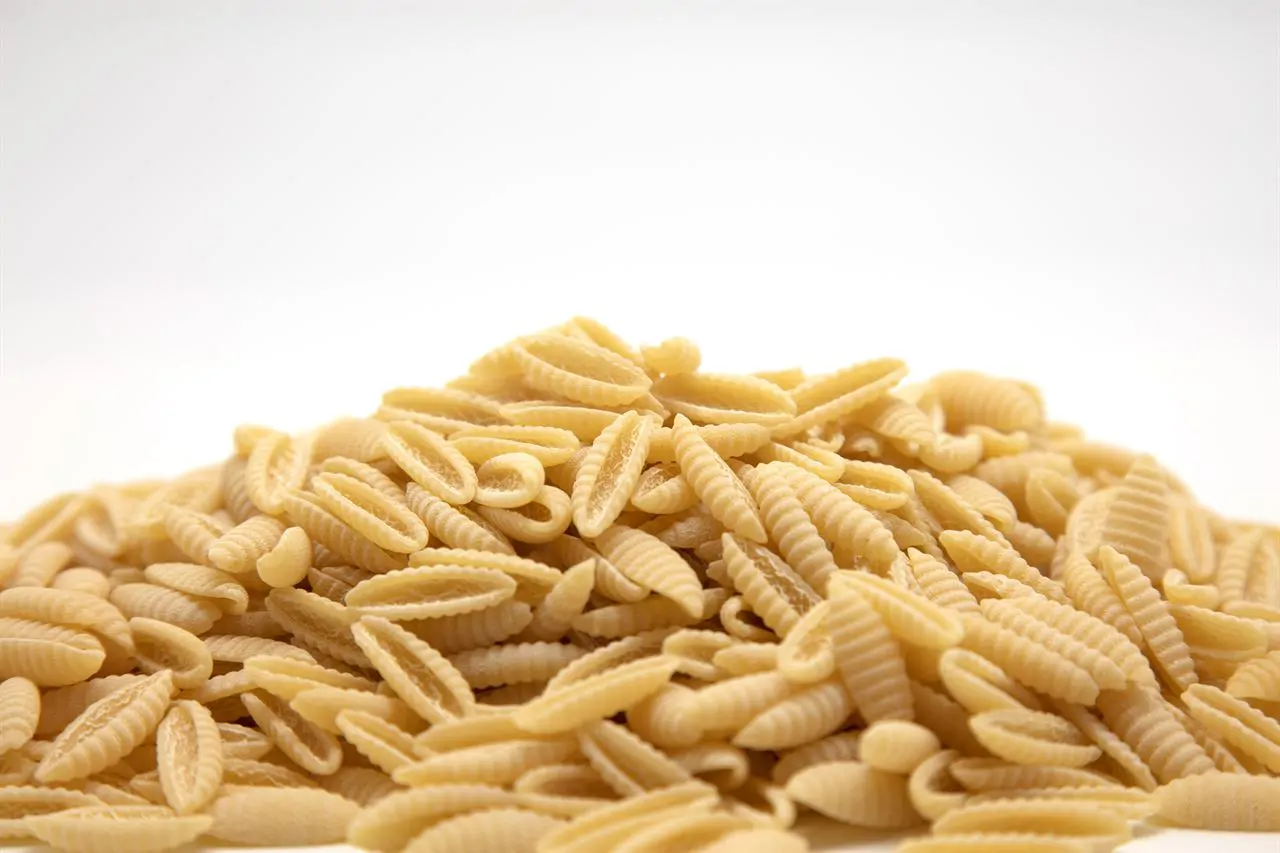
Malloreddus are ridged semolina dumplings, dressed with sausage and saffron. Culurgiones from the Ogliastra are ravioli of potato, mint and pecorino, closed with an ear-of-wheat pleat learned in childhood. Porceddu is suckling pig roasted on a spit or in a wood oven, seasoned with nothing but salt and myrtle.
The cheese and the sea
The island has three million sheep and makes from them pecorino sardo and most of the pecorino romano, which is Roman in name only. From the lagoon of Cabras comes bottarga di muggine, salted and dried mullet roe, grated over spaghetti. Seadas are fried pastries with fresh cheese inside and honey on top.
What to drink
Cannonau is the island's red, grown above all in the Ogliastra and the Barbagia, and it has more alcohol than people expect. Vermentino di Gallura is the only Sardinian wine with the guaranteed denomination. In the Sulcis they make carignano, at Oristano vernaccia, which ages under a film of yeast like a sherry. Myrtle liqueur comes at the end, cold.